Archives
- 2026-09
- 2026-08
- 2026-07
- 2026-06
- 2026-05
- 2026-04
- 2026-03
- 2026-02
- 2026-01
- 2025-12
- 2025-11
- 2025-10
- 2025-09
- 2025-04
- 2025-03
- 2025-02
- 2025-01
- 2024-12
- 2024-11
- 2024-10
- 2024-09
- 2024-08
- 2024-07
- 2024-06
- 2024-05
- 2024-04
- 2024-03
- 2024-02
- 2024-01
- 2023-12
- 2023-11
- 2023-10
- 2023-09
- 2023-08
- 2023-06
- 2023-05
- 2023-04
- 2023-03
- 2023-02
- 2023-01
- 2022-12
- 2022-11
- 2022-10
- 2022-09
- 2022-08
- 2022-07
- 2022-06
- 2022-05
- 2022-04
- 2022-03
- 2022-02
- 2022-01
-
Cellular inhibition is caused by the hyperpolarization
2022-01-03
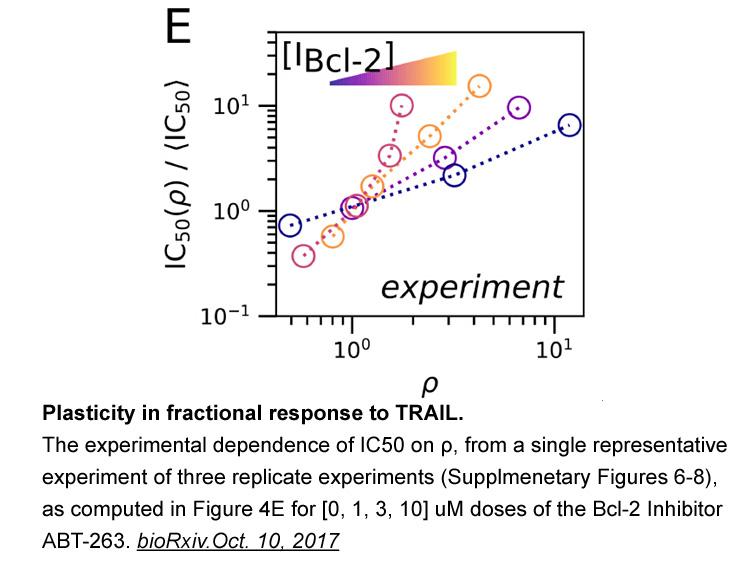
Cellular inhibition is caused by the hyperpolarization of the cell and is mediated by both synaptic and extrasynaptic GABAARs. Synaptic GABAARs are sensitive to high concentrations of GABA released at the synapse and mediate phasic inhibition. In contrast, extrasynaptic GABAARs mediate tonic inhibit
-
The present study showed that the FPR antagonists PBP
2022-01-03

The present study showed that the FPR2 antagonists PBP10 and BOC2 are potent antiviral molecules in vitro against a broad range of IAV and B viruses. Consistently, our previous report showed that FPR2 plays a deleterious role during IAV infections and that another FPR2 antagonist WRW4 inhibits IAV r
-
ADAM has two alternative splicing forms a membrane
2022-01-03
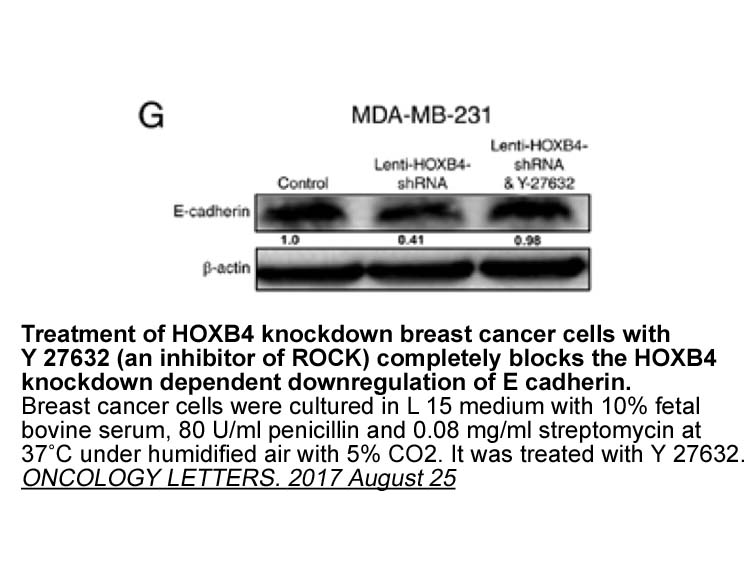
ADAM12 has two alternative splicing forms, a membrane-anchored long form (ADAM12-L) and a secreted short form (ADAM12-S). Both the long and short forms have metalloproteinase, disintegrin, cysteine-rich, and epidermal growth factor-like domains and can shed pro-heparin binding-epidermal growth fact
-
mitomycin br Conclusions and perspectives br Acknowledgement
2022-01-03
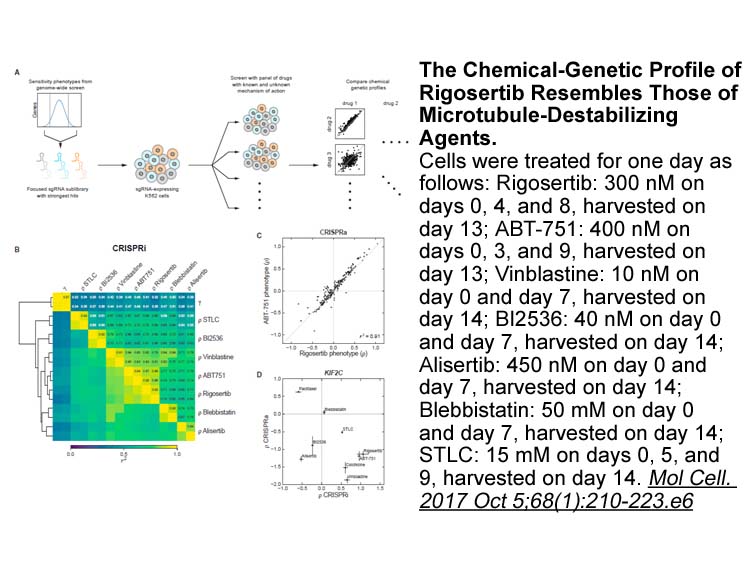
Conclusions and perspectives Acknowledgements This work was supported by the National Natural Science Foundation of China (Grant Nos. 21802173, 21405182 and 21773315), the Natural Science Foundation of Guangdong Province (Grant Nos. 2018A030310301, 201710010019 and 2014A030313232, 201804020025
-
Though studied less extensively than in cholangiopathies and
2022-01-03
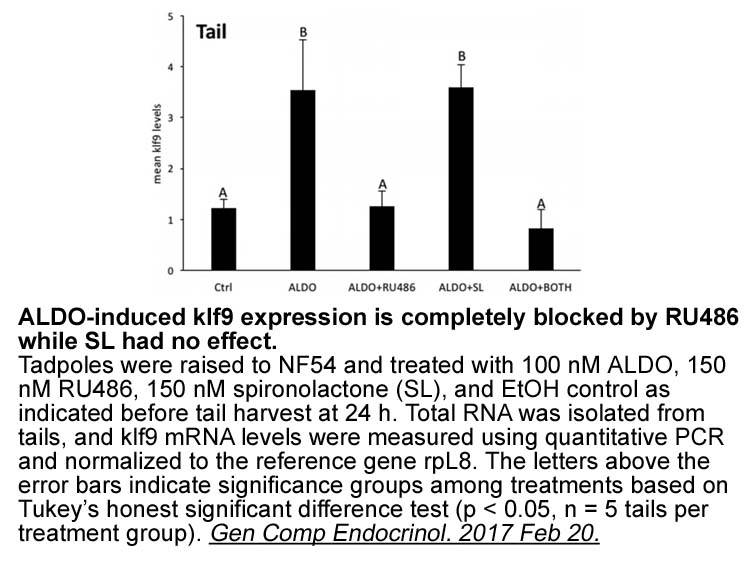
Though studied less extensively than in cholangiopathies and fatty liver diseases, the Hh pathway is active in other forms of human liver disease, such as Schistosomiasis[58], [101] and chronic viral hepatitis,[100], [125] as well as in several animal models of liver disease, including drug-induced
8210 records 548/548 page Previous First page 上5页 546547548