Archives
- 2026-10
- 2026-09
- 2026-08
- 2026-07
- 2026-06
- 2026-05
- 2026-04
- 2026-03
- 2026-02
- 2026-01
- 2025-12
- 2025-11
- 2025-10
- 2025-09
- 2025-04
- 2025-03
- 2025-02
- 2025-01
- 2024-12
- 2024-11
- 2024-10
- 2024-09
- 2024-08
- 2024-07
- 2024-06
- 2024-05
- 2024-04
- 2024-03
- 2024-02
- 2024-01
- 2023-12
- 2023-11
- 2023-10
- 2023-09
- 2023-08
- 2023-06
- 2023-05
- 2023-04
- 2023-03
- 2023-02
- 2023-01
- 2022-12
- 2022-11
- 2022-10
- 2022-09
- 2022-08
- 2022-07
- 2022-06
- 2022-05
- 2022-04
- 2022-03
- 2022-02
- 2022-01
-
After initial validation of the
2022-05-26
After initial validation of the ability of Ad5-Cre virus to express Cre recombinase protein in glial cells in vitro and in vivo, we employed this virus to induce site-specific deletion of our target GlyT1 in the thalamus, through injection of the cKO GlyT1 mice. This transgenic line was constructed
-
The study of TcMYH protein
2022-05-26
The study of TcMYH protein is a step forward for the characterization of a GO system in T. cruzi. The complete system appears to be present and our findings demonstrate that is important to maintain DNA stability of the nuclear and mitochondrial genomes, particularly in the presence of oxidative str
-
Seliciclib synthesis GK also called hexokinase IV or D is
2022-05-26
GK, also called hexokinase IV or D, is a glycolytic enzyme that converts Seliciclib synthesis to glucose-6-phosphate. GK has unique characteristics compared with those of the ubiquitously expressed hexokinase isoforms I–III, and is predominantly expressed in the pancreas and liver. In pancreatic β-
-
br Contributions br Acknowledgements This
2022-05-26
Contributions Acknowledgements This research was supported by Natural Sciences and Engineering Research Council (NSERC) Discovery grant No. 341538 and Ontario Graduate Scholarships to HM and VS. Introduction Sexual size dimorphism describes size difference between male and female individua
-
Epoxomicin Given the important role of
2022-05-26
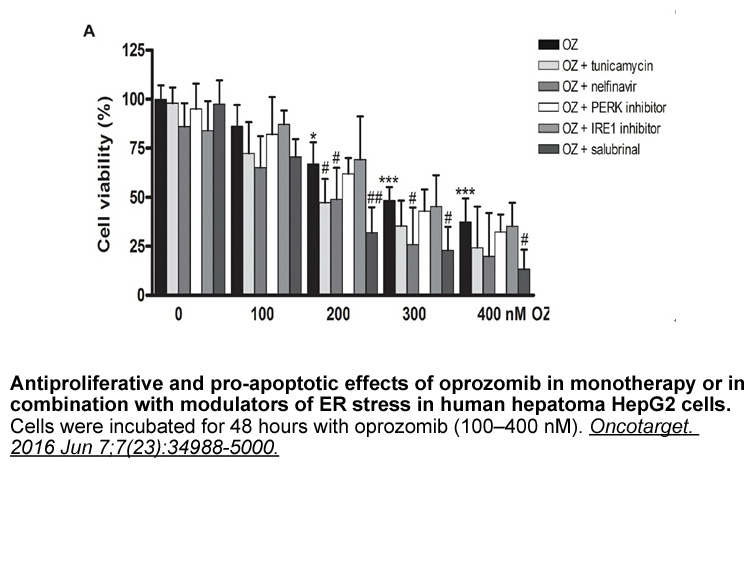
Given the important role of Cx43 in maintaining the function of gap junctions, to investigate the effects of stress on Cx43 may be an important step towards understanding the mechanism underlying CUS-induced dysfunction of gap junctions. Corticosterone (CORT), as an important stress hormone, has bee
-
Yes mutations have been linked to two
2022-05-26
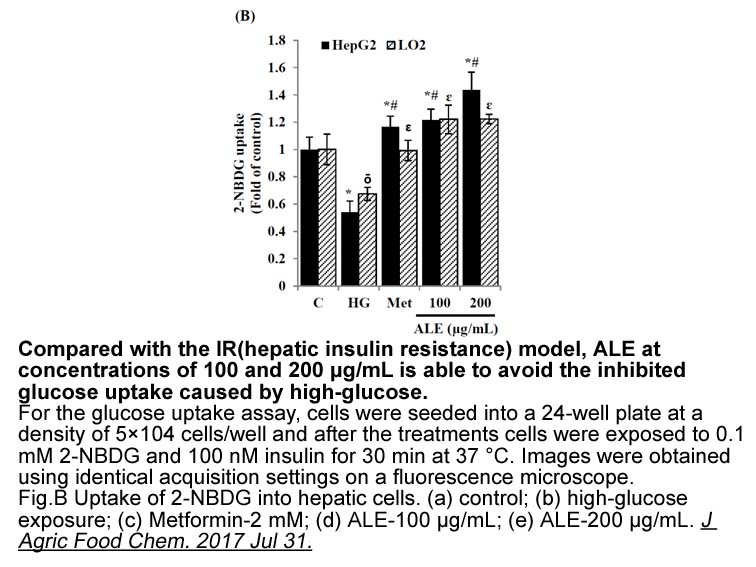
Yes, mutations have been linked to two main types of disorder in humans. Several autosomal dominant mutations, some of which have been characterized and lead to increased PIEZO1 signaling, are associated with dehydrated hereditary stomatocytosis (DHS). DHS is characterized by osmotically-driven d
-
br Materials and methods br Results and discussion br
2022-05-26
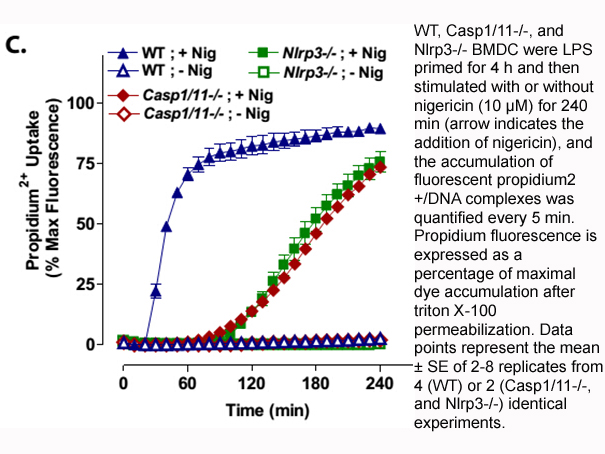
Materials and methods Results and discussion Conclusions Acknowledgments The authors are grateful to Dr. N. Prevete for providing the human AGS shCTR and AGS shFPR2 cells. This work was supported by POR Campania FSE 2007-2013 Project CREME and Ministry of Health, Italy, RF-2011-02349269.
-
In spite of decades of research
2022-05-26
In spite of decades of research the mechanisms of SV endocytosis and recycling remain controversial. Accumulating evidence suggests that SV endocytosis occurs by more than one mechanism (e.g. clathrin-independent endocytosis, clathrin-mediated endocytosis, bulk endocytosis; reviewed in (Dittman and
-
The H R antagonist cimetidine Tagamet became
2022-05-26

The H2R antagonist cimetidine (Tagamet™) became the first billion-dollar drug in the 1980s for the treatment of peptic ulcer disease. Other H2R antagonists include ranitidine, famotidine, nizatidine, and zolantidine, the latter showing good BBB penetration with a steady-state brain/blood ratio of 1.
-
Surface enhanced Raman spectroscopy SERS is
2022-05-25
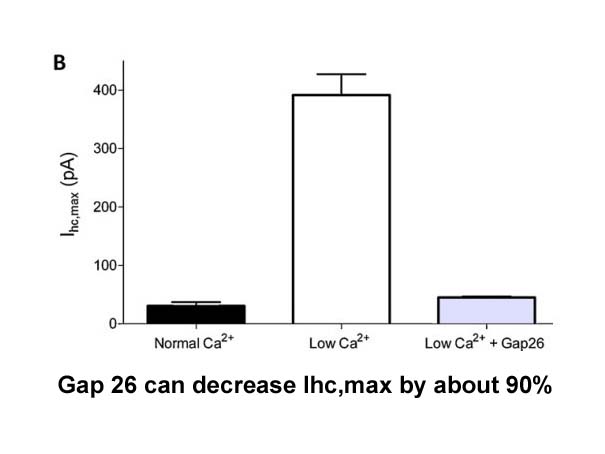
Surface-enhanced Raman spectroscopy (SERS) is one of the most powerful and ultra-sensitive analytical tools, which has been widely applied to food security analysis and many other fields (Craig, Franca, & Irudayaraj, 2013; Gukowsky, Xie, Gao, Qu, & He, 2018; Qi et al., 2013; Zhang et al., 2015). For
-
Although no data exist on Ptc gene
2022-05-25
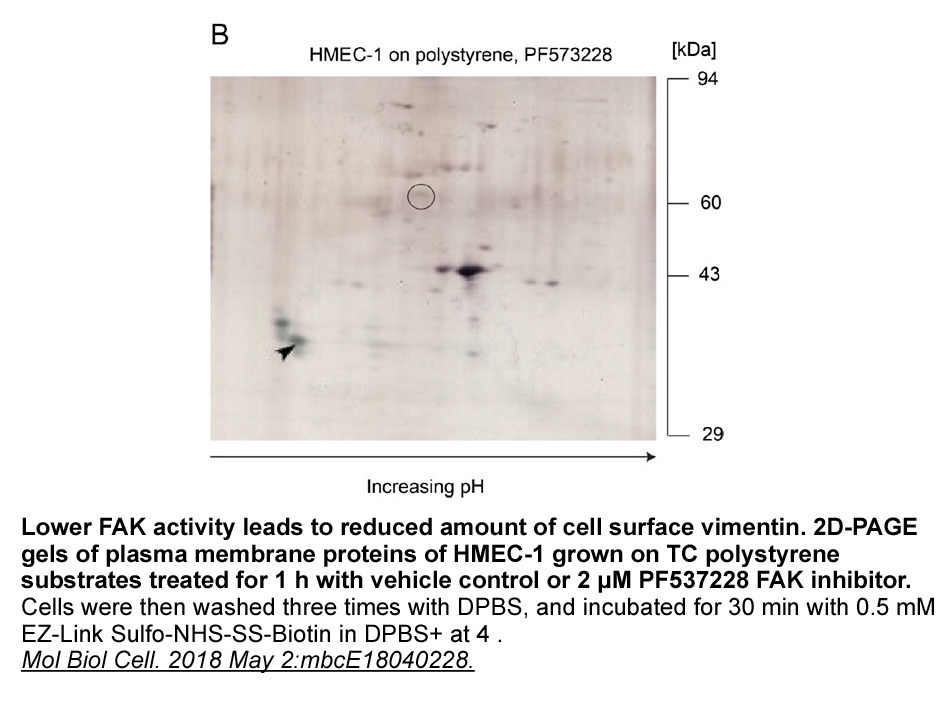
Although no data exist on Ptc52 gene Azaserine in other plant species, the expression pattern presented in this study shows perceptibly low levels of transcript accumulation in tomato seeds and roots, low levels in the stem, flower and green fruit, and high levels in the leaves. This coincides with
-
All the compounds and were assayed for their potential
2022-05-25
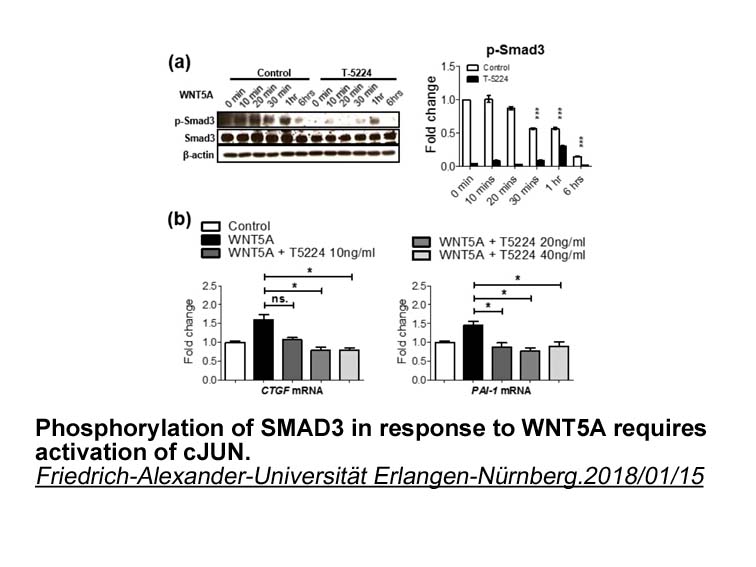
All the compounds –, , , –, , – and – were assayed for their potential cytotoxicity at a single dose of 10 µM on Huh7 cells. Interestingly, all compounds proved to be non toxic, with the exception of and which exhibited high cellular toxicity and therefore were excluded from further experiments (a
-
Under most circumstances NO is a potent endogenous vasodilat
2022-05-25

Under most circumstances, NO is a potent endogenous vasodilator. Therefore, its involvement in an endothelium-dependent contraction seems paradoxical, to say the least. Soluble guanylyl cyclase (sGC) is the major downstream target of NO; its inhibition results in the lack of vasoconstrictor response
-
br Discussion Regulation of redox homeostasis is critical in
2022-05-25

Discussion Regulation of redox homeostasis is critical in the maintenance of normal cell functions, and both glutathione S-transferase and peroxiredoxin enzymes are important contributors to this process. There are numerous reports of aberrant expression patterns of GSTP linked with cancer and wi
-
br Materials and methods br Results
2022-05-25
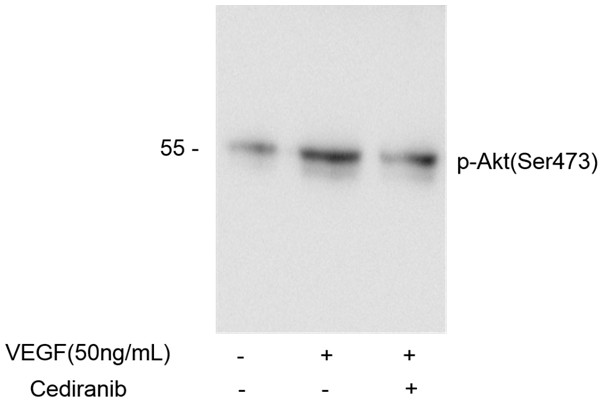
Materials and methods Results Our data indicated that 1,8-cineol leads to a noticeable but not significant (p = 0.07) 45% decreased phosphorylation of GSK-3α/β at Ser-9/21. Phosphorylation of GSK-3α/β at Tyr-279/216 was not affected (Fig. 1A/B). To ensure, that the decreased phosphorylation of
8252 records 464/551 page Previous Next First page 上5页 461462463464465 下5页 Last page