Archives
- 2026-10
- 2026-09
- 2026-08
- 2026-07
- 2026-06
- 2026-05
- 2026-04
- 2026-03
- 2026-02
- 2026-01
- 2025-12
- 2025-11
- 2025-10
- 2025-09
- 2025-04
- 2025-03
- 2025-02
- 2025-01
- 2024-12
- 2024-11
- 2024-10
- 2024-09
- 2024-08
- 2024-07
- 2024-06
- 2024-05
- 2024-04
- 2024-03
- 2024-02
- 2024-01
- 2023-12
- 2023-11
- 2023-10
- 2023-09
- 2023-08
- 2023-06
- 2023-05
- 2023-04
- 2023-03
- 2023-02
- 2023-01
- 2022-12
- 2022-11
- 2022-10
- 2022-09
- 2022-08
- 2022-07
- 2022-06
- 2022-05
- 2022-04
- 2022-03
- 2022-02
- 2022-01
-
br S proteins and HBV
2022-03-23
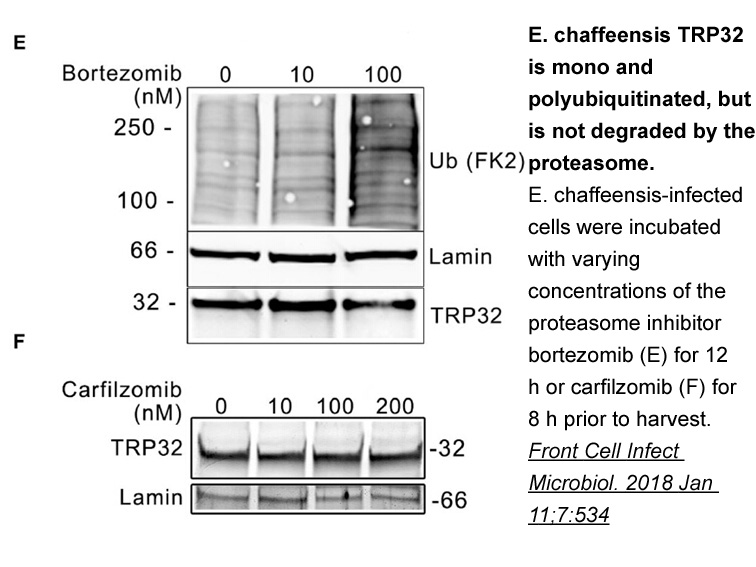
S proteins and HBV-induced autophagy HBV surface proteins (S proteins or HBs) are reported to trigger HBV-induced autophagy by inducing ER stress and UPR in host Vicriviroc maleate receptor [22]. HBx and HBV-induced autophagy HBx is a multifunctional viral protein. It can regulate virus repli
-
Oxytocin br GSK Glycogen synthase kinase GSK is a
2022-03-23
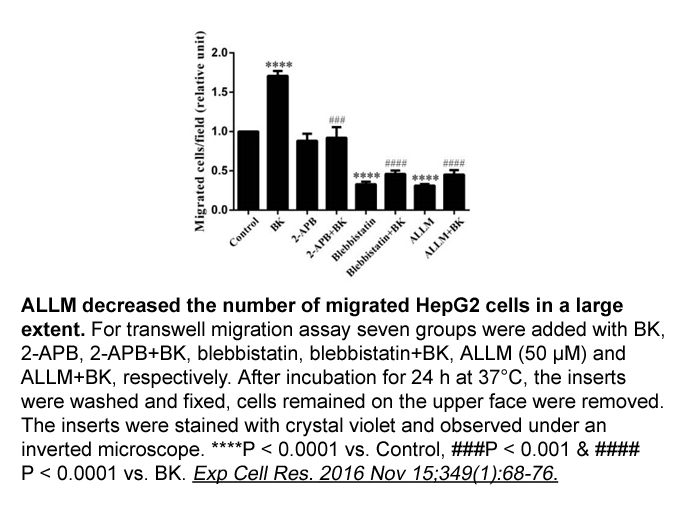
GSK-3 Glycogen synthase kinase-3 (GSK-3) is a ubiquitous serine/threonine kinase that is involved in multiple signaling pathways that are crucial for cellular metabolism and proliferation (Doble and Woodgett, 2003, Frame and Cohen, 2001, Grimes and Jope, 2001, Woodgett, 1990). GSK-3 is known to d
-
br Conclusions br Introduction G protein coupled receptors G
2022-03-22
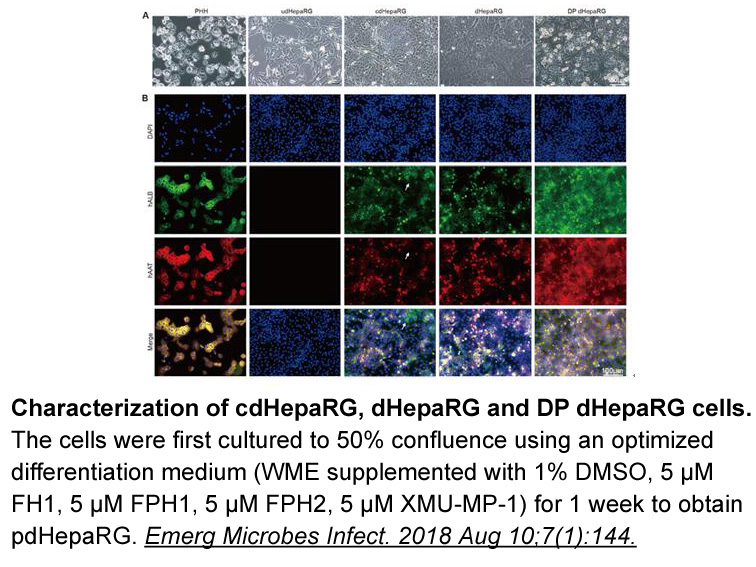
Conclusions Introduction G protein-coupled receptors (GPRs) share common structural motifs, including seven transmembrane helices, and the ability to activate heterotrimeric G proteins such as Gs, Gi, Gq and G12/13. A variety of GPR cellular functions are mediated by second messengers such as
-
Salicylic acid synthesis The atherosclerosis development req
2022-03-22
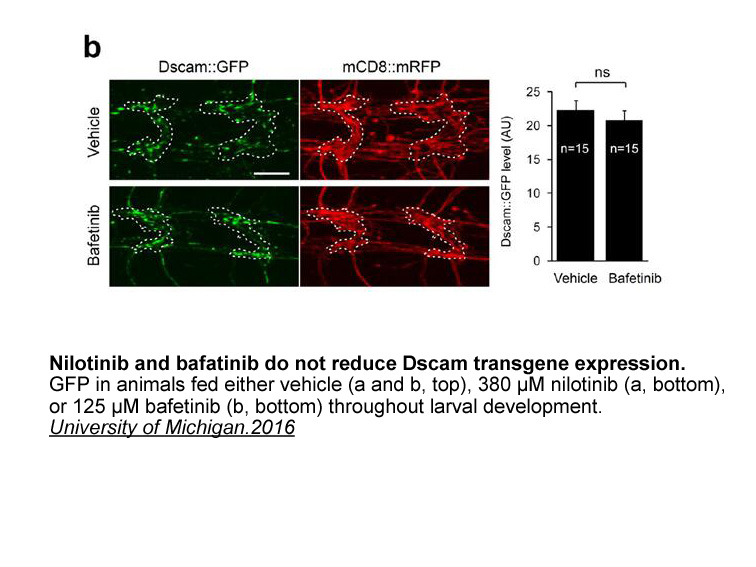
The atherosclerosis development requires additional pro-inflammatory response in the vascular tissue, promoting increased levels of adhesion molecules such as VCAM-1 (vascular cell adhesion molecule-1) and ICAM-1 (intercellular adhesion molecule-1). Cytokines such as TNF-α and IL-1β are able to upre
-
Crystal structures from soluble E constructs Khan et al Kong
2022-03-22
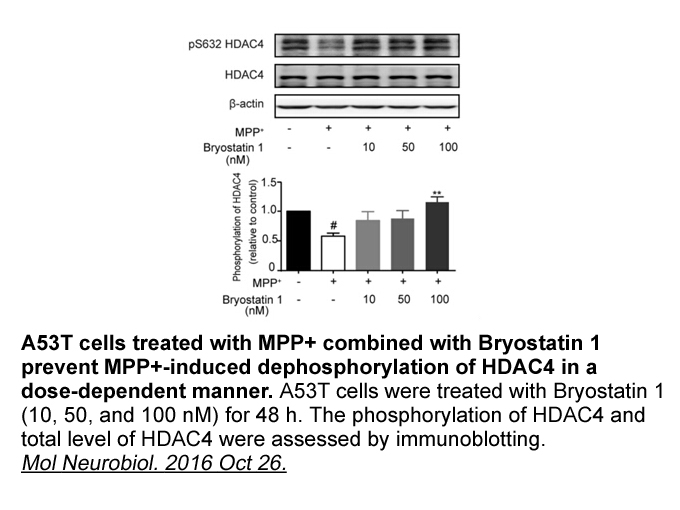
Crystal structures from soluble E2 constructs (Khan et al., 2014; Kong et al., 2013) have revealed globular protein with no regular structure in spite of having eight disulphide bonds (Kong et al., 2013). Although 62% of the protein exists in loops or disordered structures, overall it was well-defin
-
In summary activated A AR exacerbated the reverse transport
2022-03-22
In summary, activated A2AR exacerbated the reverse transport function of endothelial EAATs through a direct or indirect pathway depending on PKA and glutamate levels in response to OGD in vitro, but A2AR inhibition quickly restored the normal transport function. Moreover, the key mechanisms by which
-
The EEGs of these six patients interestingly showed focal
2022-03-22
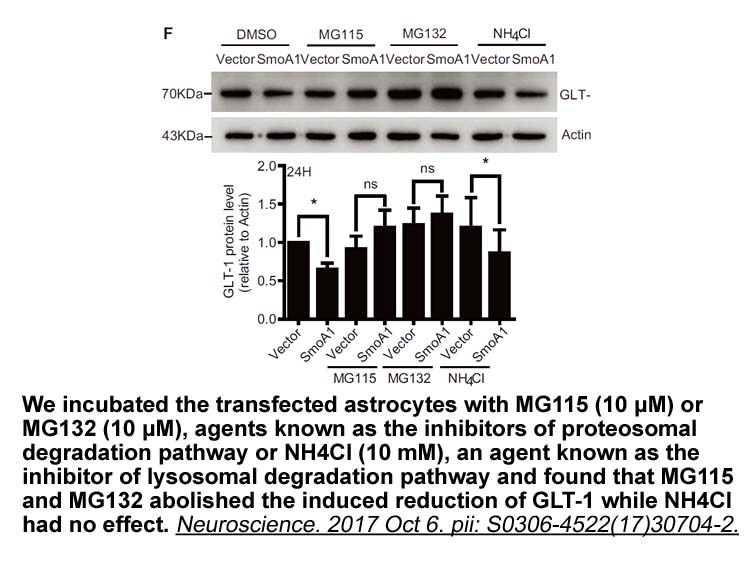
The EEGs of these six patients interestingly showed focal, multi-focal and generalized spikes, which was an exclusion criteria in our study as we selected our cohort to exclusively represent focal epilepsy. Remarkably all of these cases were diagnosed with paroxysmal exercise-induced dyskinesia (PED
-
Bacterial GluRS comes in two flavors discriminatory
2022-03-22
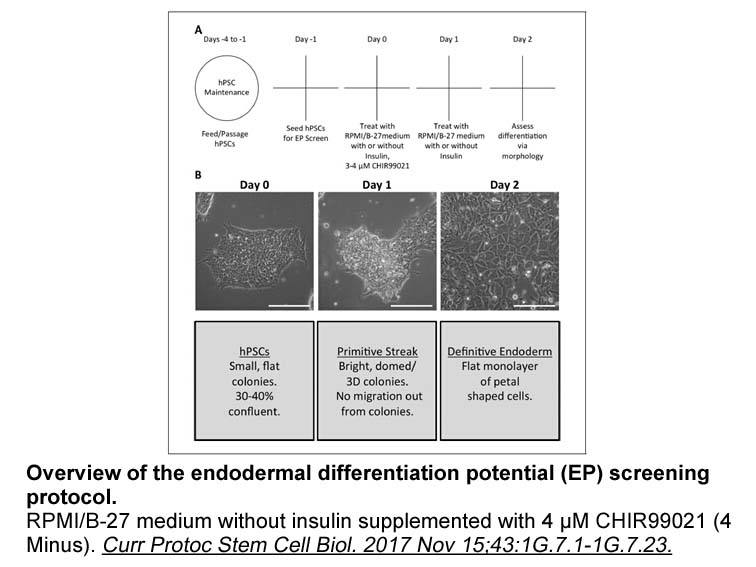
Bacterial GluRS comes in two flavors, discriminatory GluRS (D-GluRS) and non-discriminatory GluRS (ND-GluRS). While D-GluRS exclusively catalyses the transfer of Glu to tRNAGlu, the ND-GluRS can also glutamylate tRNAGln forming Glu-tRNAGln. The misacylated product is then transformed to Gln-tRNAGln
-
proteasome inhibitor br Glucocorticoid receptor and metaboli
2022-03-22

Glucocorticoid receptor and metabolic syndrome GCs acting through the GR regulate key enzymes of glucose metabolism in the liver, skeletal muscle, adipose tissue and the pancreas. In the liver, GCs regulate the expression of major gluconeogenic enzymes such as phosphoenolpyruvate carboxykinase, g
-
As cardiovascular disease accounts for the majority of death
2022-03-22
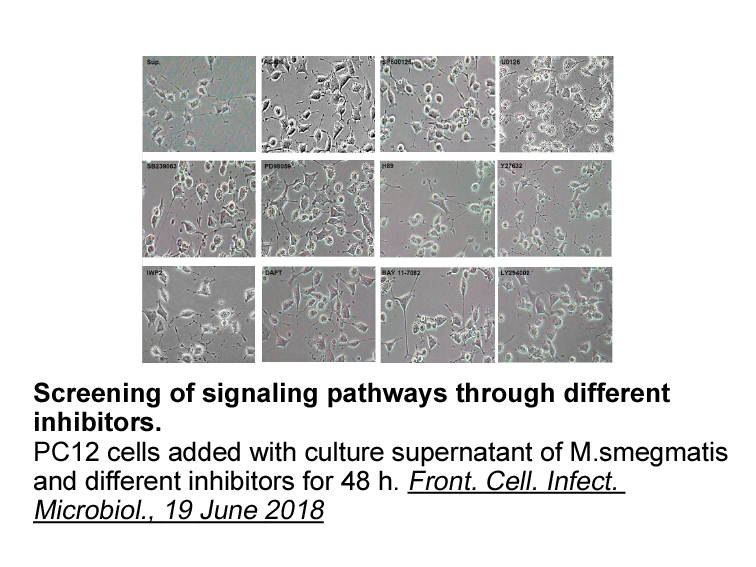
As cardiovascular disease accounts for the majority of deaths in subjects with T2D, it is imperative that we better characterize the cardiovascular risks and benefits of the various therapies we prescribe to these individuals to control their glycemia. Indeed, the potential to identify subsets of di
-
Here we used a designer
2022-03-22
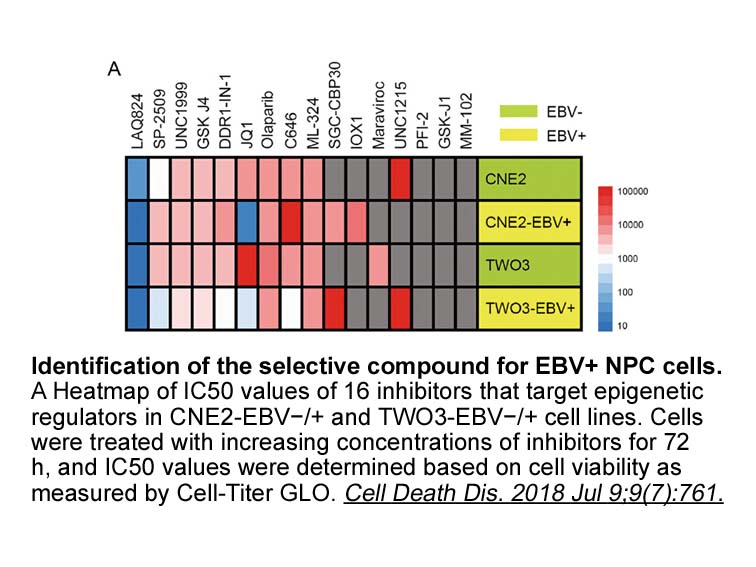
Here, we used a designer receptors activated exclusively by designer drugs (DREADD)-based chemogenetic approach in a novel Ghsr-IRES-Cre knock-in mouse line to test whether the activity of MBH GHSR neurons is required for the normal rebound food intake following fasting. We also used the Ghsr-IRES-C
-
In this study we demonstrate that the ETS
2022-03-22
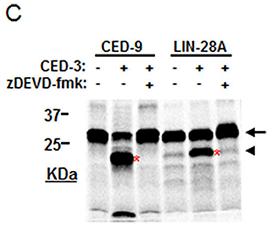
In this study, we demonstrate that the ETS transcription factor ETV5 is involved in the regulation of ghrelin system in response to the altered nutritional state. In the recent multiple GWAS studies, three single nucleotide polymorphisms (SNPs) of ETV5, rs7647305 (Thorleifsson et al., 2009; Willer e
-
In the last years a plethora of studies overstepped the
2022-03-22
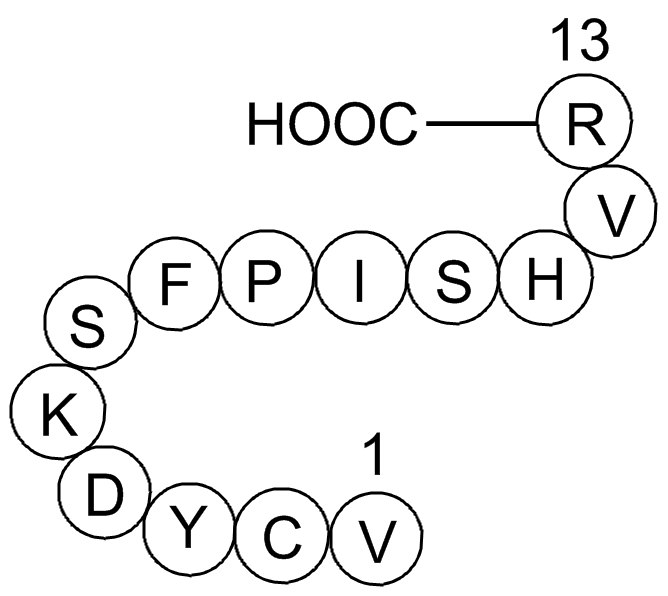
In the last years, a plethora of studies overstepped the classic concept of the ENS as purely modulator of GI secretion and motility, focusing on its potential as source of substances acting on immune cells and consequently involved in the control of local inflammatory events, as in the Inflammatory
-
Bile acids BAs are critical
2022-03-22
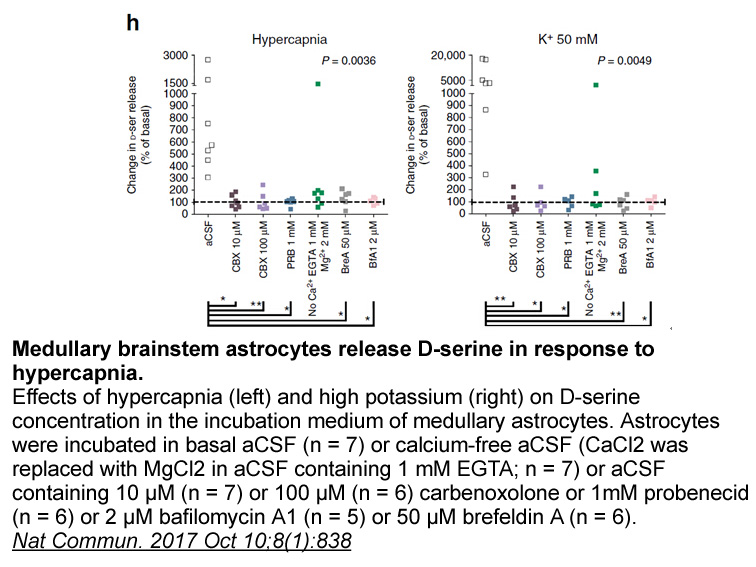
Bile acids (BAs) are critical for facilitating the LY2801653 mg of dietary lipids and lipid-soluble vitamins in the intestines [6], [7]. At physiological levels, BAs function as signaling molecules and activate specific nuclear receptors [farnesoid X receptor (FXR), pregnane X receptor, and vitamin
-
Since we were able to
2022-03-22
Since we were able to reach low micromolar to sub-micromolar potency in both compound series (6 and 7), we were also keen on assessing the preliminary ADME profile (particularly with respect to plasma and liver microsomal stability) of the most active compounds from these series. As it is evident fr
8252 records 502/551 page Previous Next First page 上5页 501502503504505 下5页 Last page