Archives
- 2026-09
- 2026-08
- 2026-07
- 2026-06
- 2026-05
- 2026-04
- 2026-03
- 2026-02
- 2026-01
- 2025-12
- 2025-11
- 2025-10
- 2025-09
- 2025-04
- 2025-03
- 2025-02
- 2025-01
- 2024-12
- 2024-11
- 2024-10
- 2024-09
- 2024-08
- 2024-07
- 2024-06
- 2024-05
- 2024-04
- 2024-03
- 2024-02
- 2024-01
- 2023-12
- 2023-11
- 2023-10
- 2023-09
- 2023-08
- 2023-06
- 2023-05
- 2023-04
- 2023-03
- 2023-02
- 2023-01
- 2022-12
- 2022-11
- 2022-10
- 2022-09
- 2022-08
- 2022-07
- 2022-06
- 2022-05
- 2022-04
- 2022-03
- 2022-02
- 2022-01
-
mitomycin br Conclusions and perspectives br Acknowledgement
2022-01-03
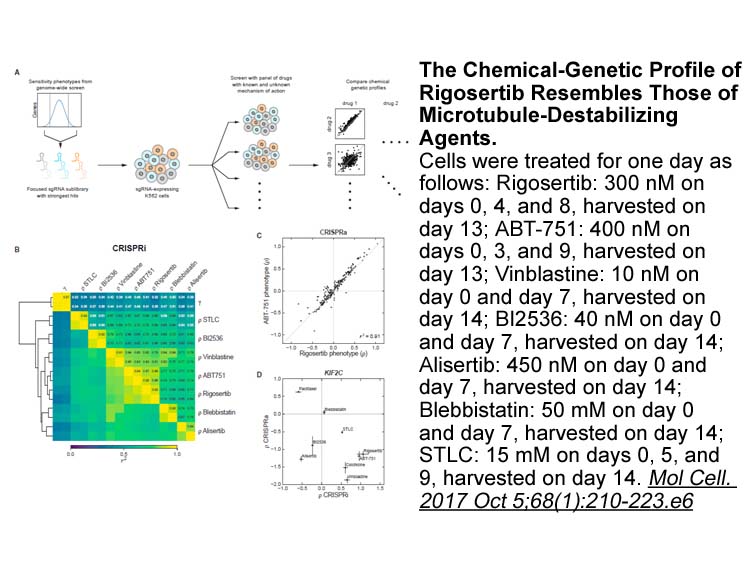
Conclusions and perspectives Acknowledgements This work was supported by the National Natural Science Foundation of China (Grant Nos. 21802173, 21405182 and 21773315), the Natural Science Foundation of Guangdong Province (Grant Nos. 2018A030310301, 201710010019 and 2014A030313232, 201804020025
-
Though studied less extensively than in cholangiopathies and
2022-01-03
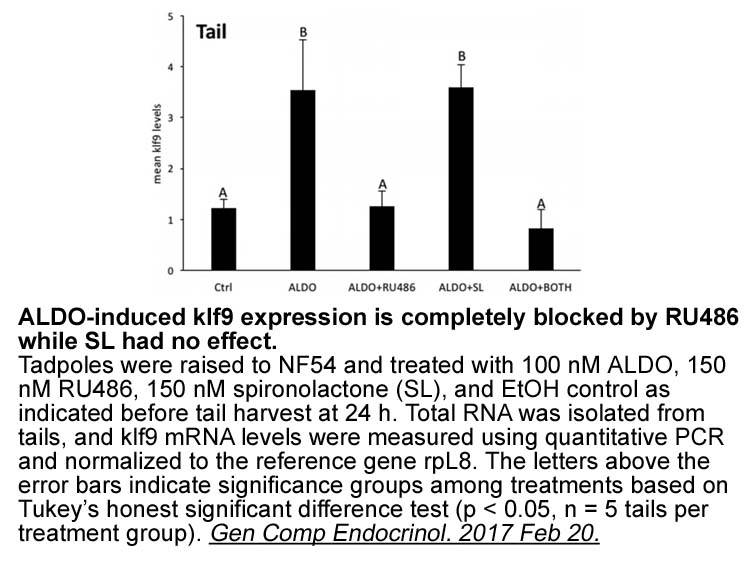
Though studied less extensively than in cholangiopathies and fatty liver diseases, the Hh pathway is active in other forms of human liver disease, such as Schistosomiasis[58], [101] and chronic viral hepatitis,[100], [125] as well as in several animal models of liver disease, including drug-induced
8222 records 549/549 page Previous First page 上5页 546547548549